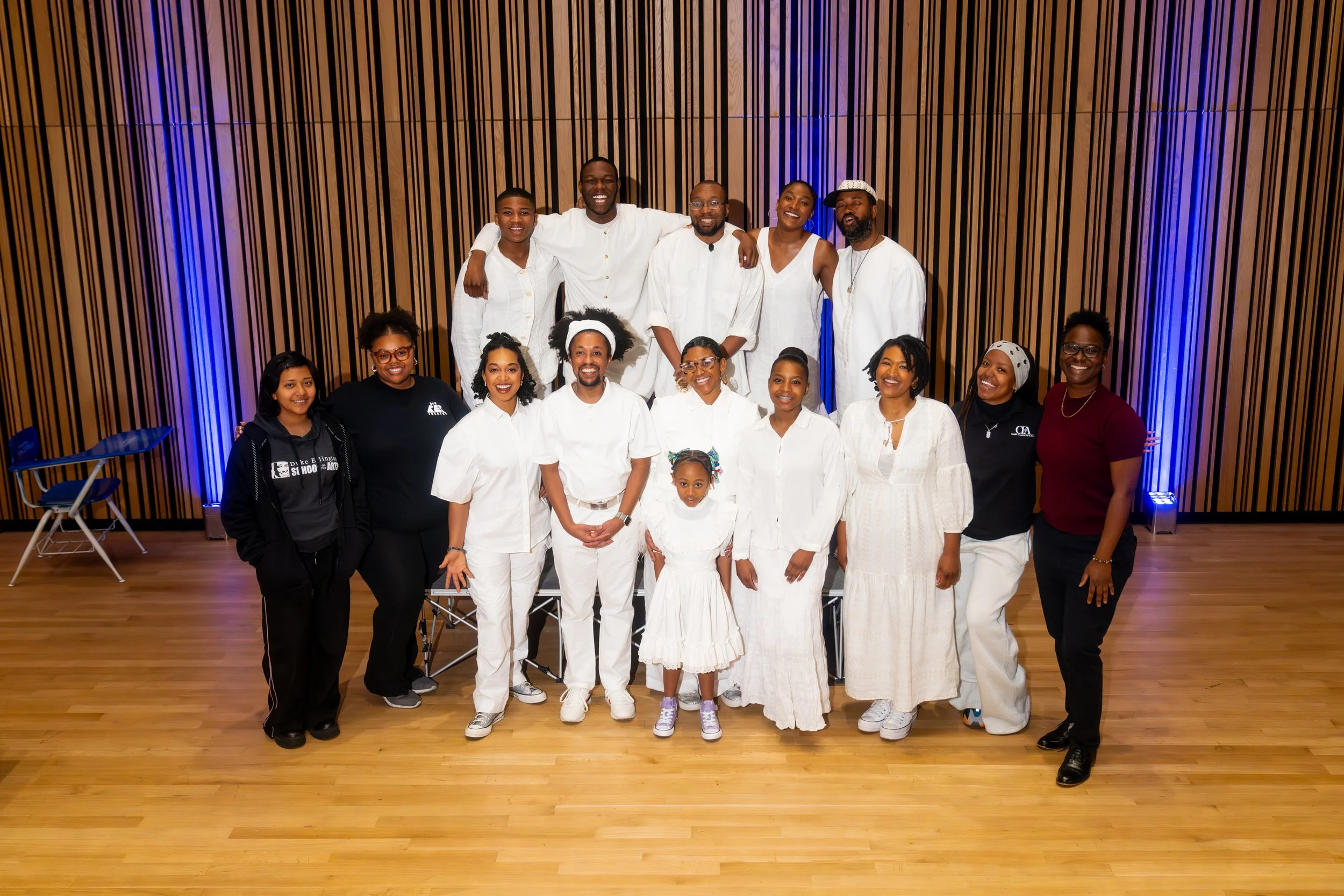
The Cast and Crew of the theatrical adaptation of The 1619 Project: Born on the Water, by the Canady Foundation of the Arts.
The 1619 Project: Born on the Water — MLK Jr. Library
Client: Canady Foundation of the Arts & DC Public Library | Role: Visual Director & Documentary Lead | Year: 2026
When the Images Had to Work for Everyone in the Room
In January 2026, the Canady Foundation of the Arts debuted its theatrical adaptation of The 1619 Project: Born on the Water at the DC Public Library, an adaptation of Nikole Hannah-Jones and Renée Watson's acclaimed picture book brought to stage for students and public audiences. Christopher Creese was brought in not merely to document the production, but to serve as Visual Director and Documentary Lead, responsible for shaping how the entire project would be seen once it left the room.
Photography as Institutional Communication, Not Just Coverage
The core assignment was to create a body of work that could function across press, education, and institutional contexts simultaneously, without distorting the tone, intent, or meaning of the production. The images needed to serve school websites, grant reports, press releases, and cultural organization homepages alike. This meant the photography could not be expressive first. It had to be legible, responsible, and durable. Creese treated the project not as performance photography but as institutional communication.
The Risk Wasn't Technical — It Was Interpretive
The production lives inside cultural, political, and educational systems at once. Any image could be read through a journalistic lens, an institutional one, an educational one, or a political one, sometimes by different audiences seeing the exact same photograph. The danger was not a bad shot but an image that collapsed a complex cultural work into a single emotional or political reading. Moments extracted without context, emotional emphasis overwhelming intellectual purpose, images read as advocacy rather than education, these were the real failure modes Creese was working to prevent.
A Framework Built on Restraint and Distribution Awareness
Creese approached each frame by asking three questions: What does this image say about the work? Who can safely use it? What meaning survives once context is removed? In practice this meant prioritizing clarity over drama, spatial compositions that showed the full geometry of the stage, and conservative post-production that preserved the room's fidelity rather than stylizing it. He chose not to photograph Hannah-Jones during certain moments to protect personal boundaries and prevent images from being extracted in ways that could distort authorship. He coordinated with DC Library staff to document a private meeting between co-creator Marjuan Canady and Hannah-Jones with an agreement the images would not be released publicly, protecting the integrity of the moment while still creating an internal record. The resulting image set functioned as a coherent visual system that traveled across audiences without requiring explanation.
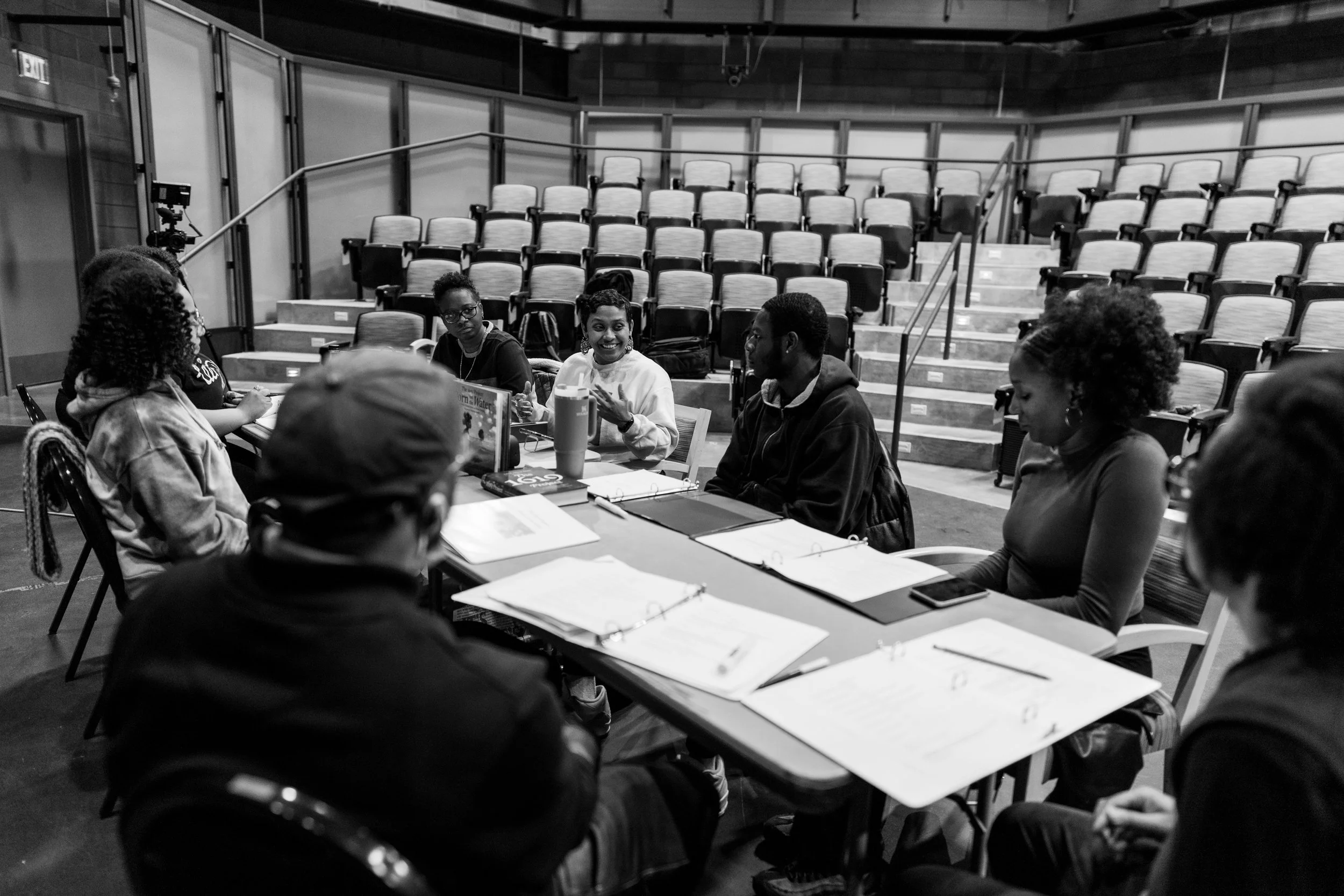
The Cast and Crew of the theatrical adaptation of The 1619 Project: Born on the Water, by the Canady Foundation of the Arts.
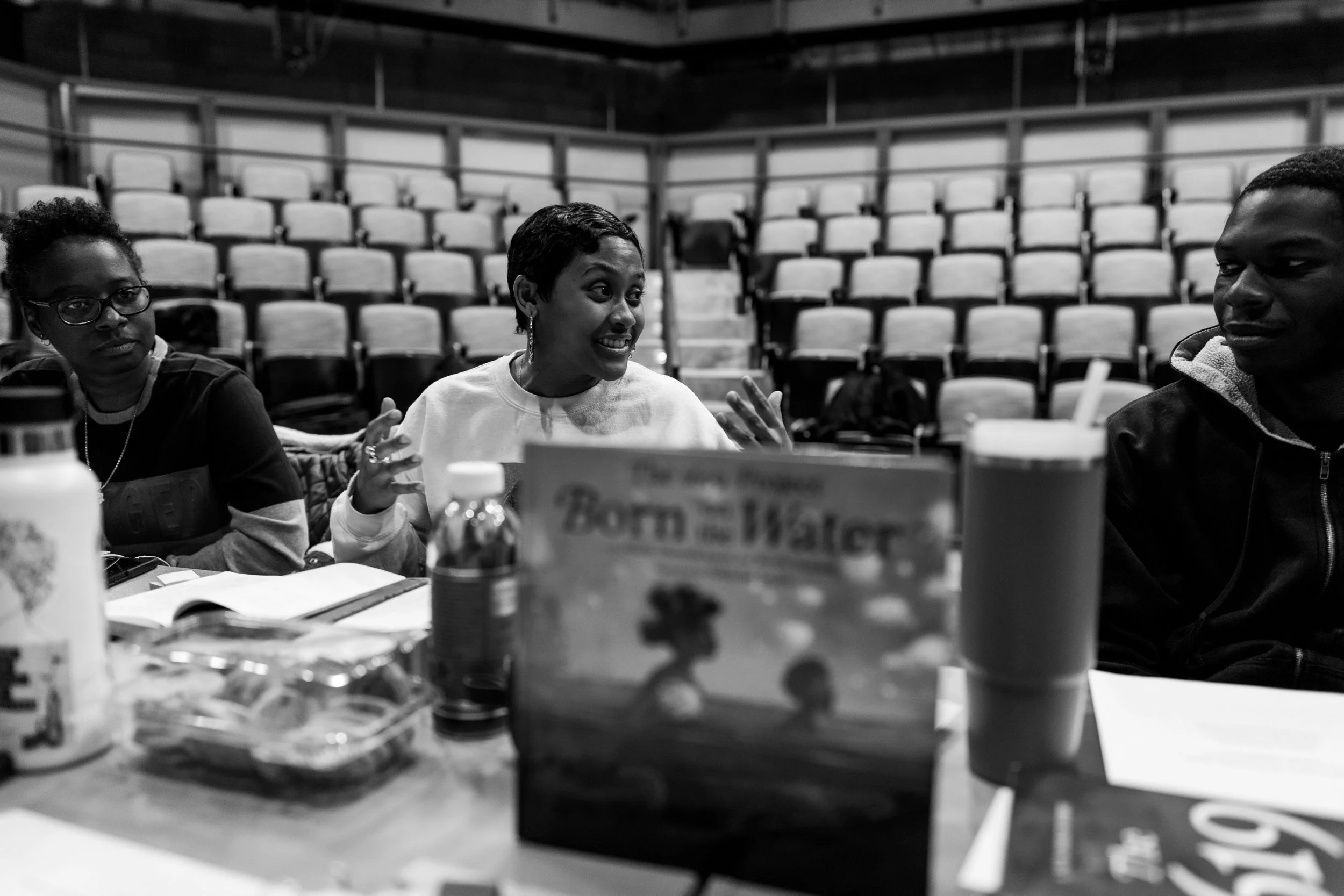
The Cast and Crew of the theatrical adaptation of The 1619 Project: Born on the Water, by the Canady Foundation of the Arts.
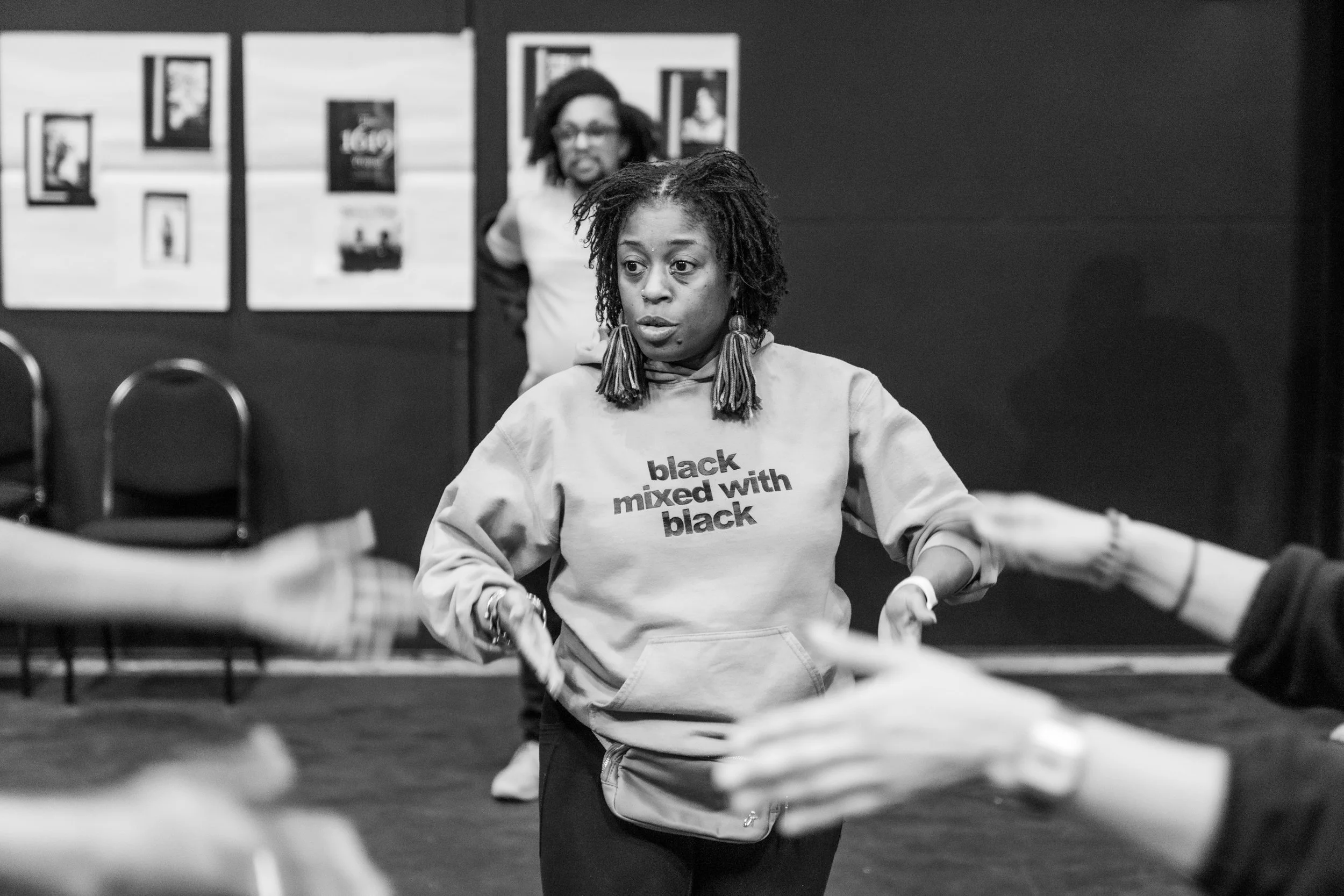
The Cast and Crew of the theatrical adaptation of The 1619 Project: Born on the Water, by the Canady Foundation of the Arts.
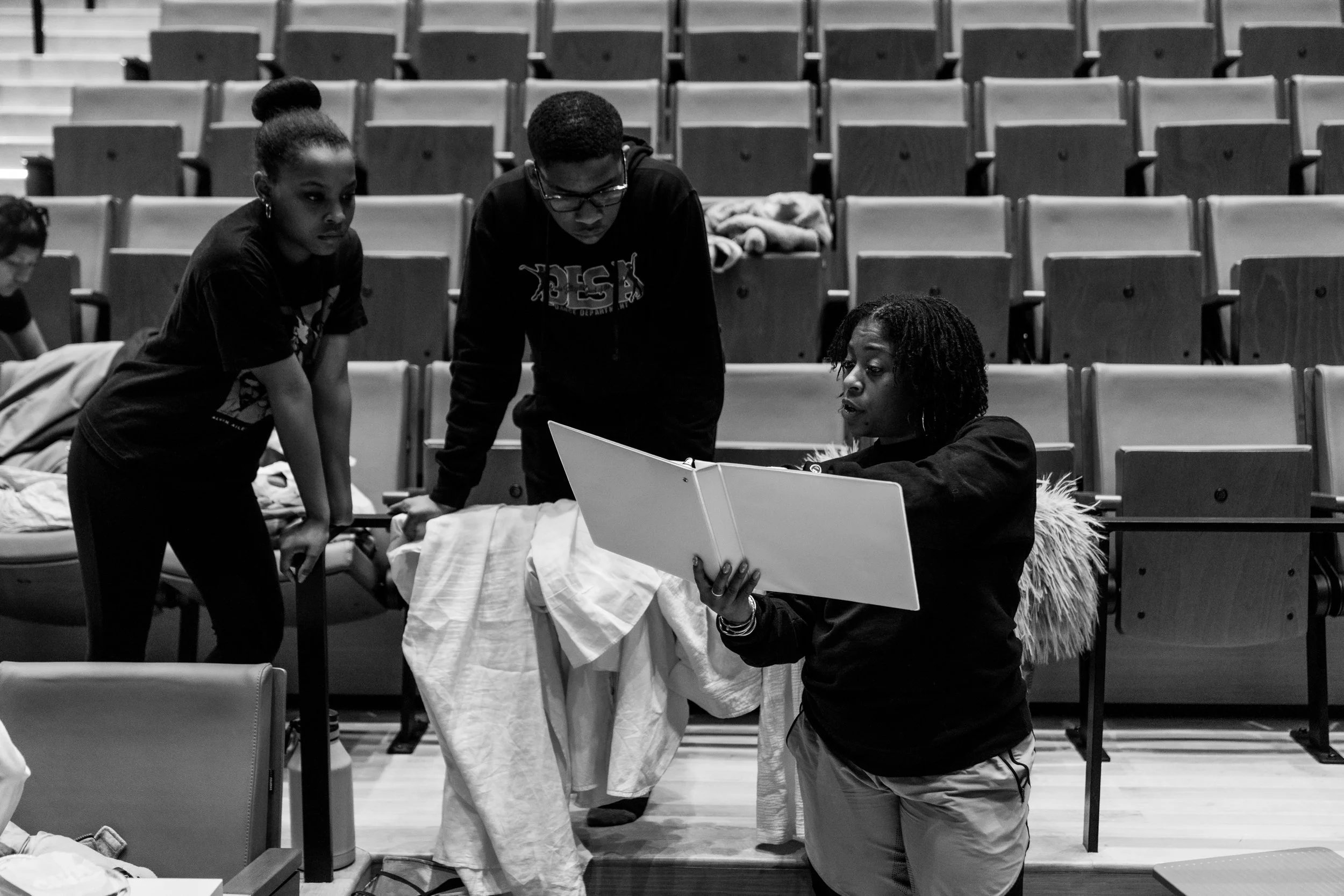
The Cast and Crew of the theatrical adaptation of The 1619 Project: Born on the Water, by the Canady Foundation of the Arts.
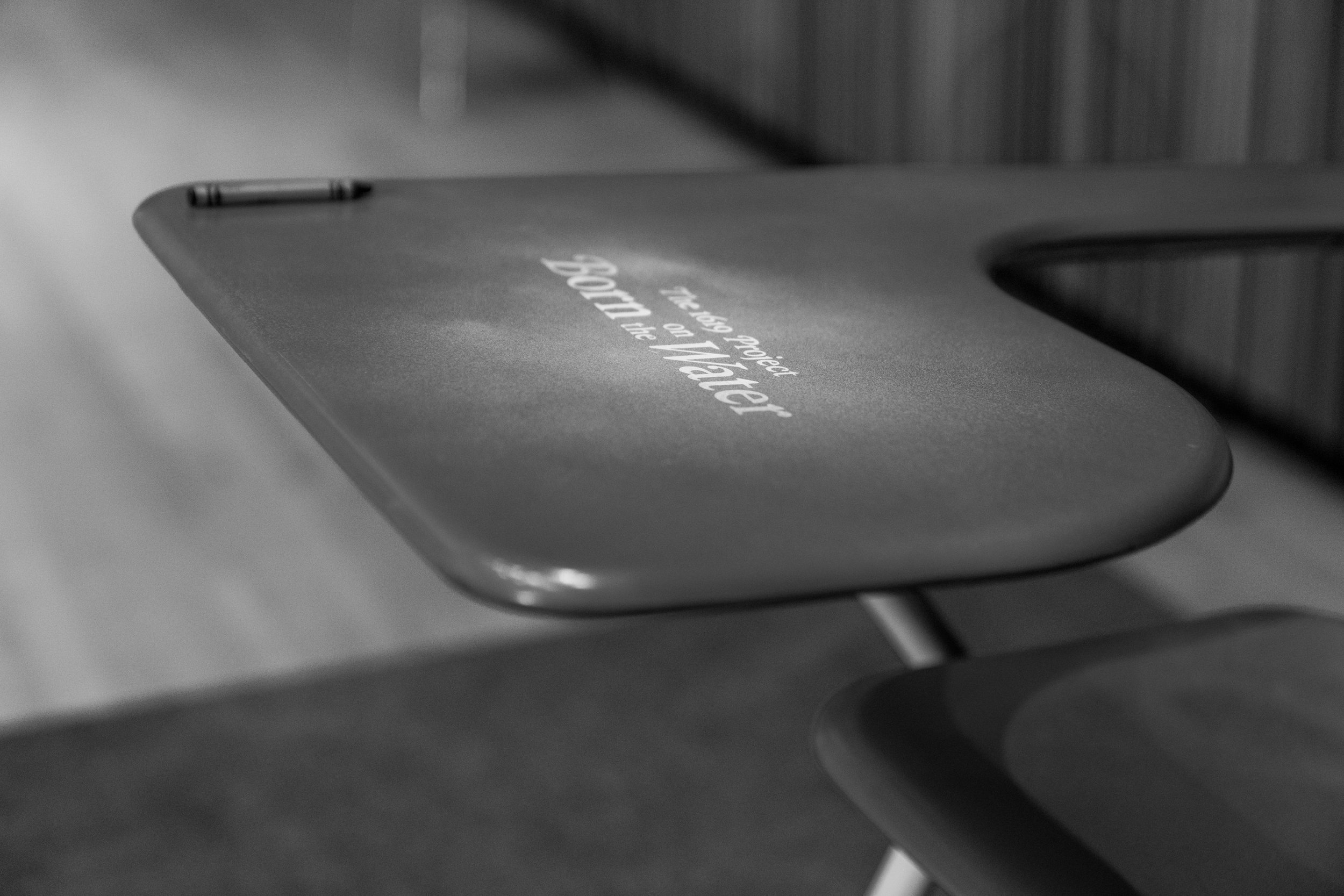
The 1619 Project: Born on the Water, by the Canady Foundation of the Arts.
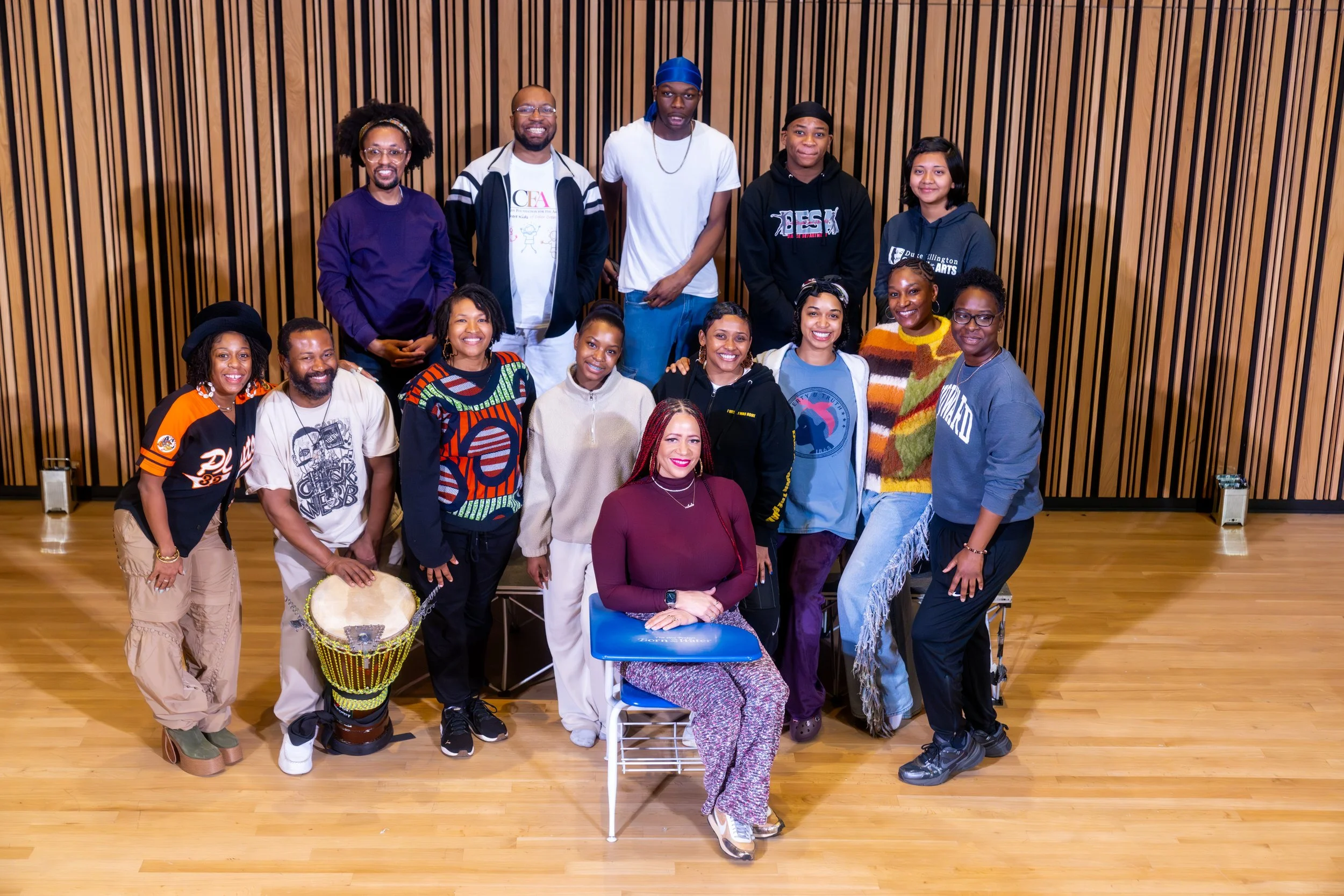
The Cast and Crew of the theatrical adaptation of The 1619 Project: Born on the Water, by the Canady Foundation of the Arts, with Nikole Hannah-Jones.